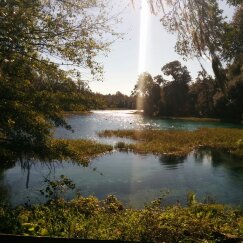
Florida is home to over 1000 springs¹, holes in the ancient limestone through which fresh and salt water rise up to the Earth’s surface. A natural draw for human settlement, water in Florida has been a wellspring of activity for thousands of years². Springs and their closely related cousins, sinks, are often called windows into the aquifer because they show with vivid clarity what is happening with the water beneath our feet. Florida is like a giant sponge. Her sandy soils and karst topography ring pollutants out from surface water as it makes its way into one of the world’s most productive aquifers, the Floridan. This multilayer, multiuse aquifer supplies potable water as well as storage for waste injection in its salt water confines. Providing over 8 billion gallons of fresh water a day is no laughing matter. With the Sunshine State adding an average of 803 new residents daily, she has become the third most populous in the nation³. Demands for fresh water by both private citizens and businesses are constantly on the rise. In Florida, Amendment 1, a mandate set forth by the citizens of this state, was passed to facilitate the acquisition of land for conservation and preservation purposes. Funds from this Trust should be used to protect springsheds and watersheds to ensure the viability of Florida’s water resources for generations to come.
People are drawn to water. Legends are made there. Mermaids play in the azure bubbles at Weekie Wachee. Tarzans’ treasures lie at the bottom of Silver Springs. Today, these symbols of human creativity are tangled in algae that are the byproduct of rising nitrate levels in the springs. Lawn fertilizers, pesticides, and agricultural waste generate toxic runoff that flows overland and directly into the water source. Many springs, such as Weekie Wachee and Silver, sit along major roads among dense human development. The only hope for cleaning them up is to change land use practices, and this will most likely not be enough to return them to their original clarity and purity. Any land around these springs that can be preserved will benefit the overall health of the springs, and ultimately, our water supply.
Lands around springs are highly prized, as are rights to the water underfoot and under hoof. In 2012, Austrian mogul Frank Stronach applied for a permit to extract over 13 million gallons a day from the Silver Springs watershed for a cattle ranch. His request was met with great opposition from water managers, scientists, and conservation groups at that time. Today, under the name Sleepy Creek Lands, the permit requests have been lowered to a total of 2.58 million gallons a day (MGD)4. Not only would this increase overall drawdown to the water table and directly affect spring output, it would add to water quality degradation in the spring itself. Once a massive reflective bowl of light feeding the Silver River, the Silver Springs system is today green and brown, algae choked and suffocated by nitrate impairment. Adding more polluted runoff within the springshed and watershed from cattle will exacerbate this situation, and pumping will affect minimum flow levels (MFLs).
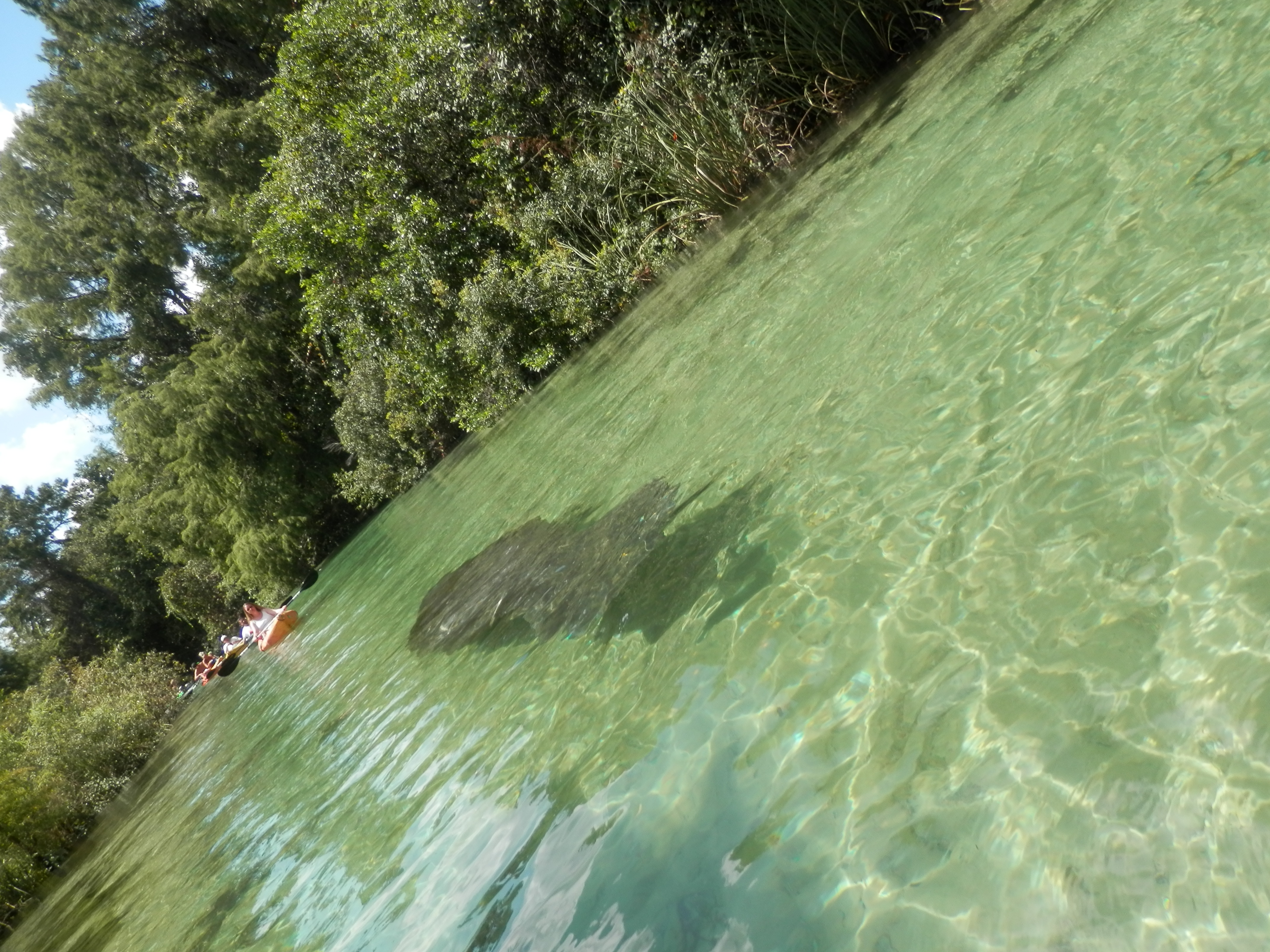
In Myakka River State Park, there is a push to lease land within the park bounds for cattle ranching. The legislators, blatantly ignoring the will of the voters, are attempting to make state parks self-sufficient through a multi-use program that oversteps the mission of the park system. The FDEP states this mission “is to provide resource-based recreation while preserving, interpreting and restoring natural and cultural resources.”5 There is inherent benefit to a program that funds itself. There is a greater benefit to keeping agricultural waste out of our rivers and springs, protecting our watersheds, and prizing the natural beauty that draws tourists to the state every day. Cattle ranching is grazing. Grazing destroys native vegetation, loosens soil, increases erosion, and adds a heavy nutrient load to runoff. This is not in line with the mandate for conservation within the boundaries of our parks, nor does it fall within the popular ideology fueling the vote in Florida – the ideology to protect and preserve wild places and their resources as a means to sustain the viability, health, and vibrancy of Florida’s land and water.
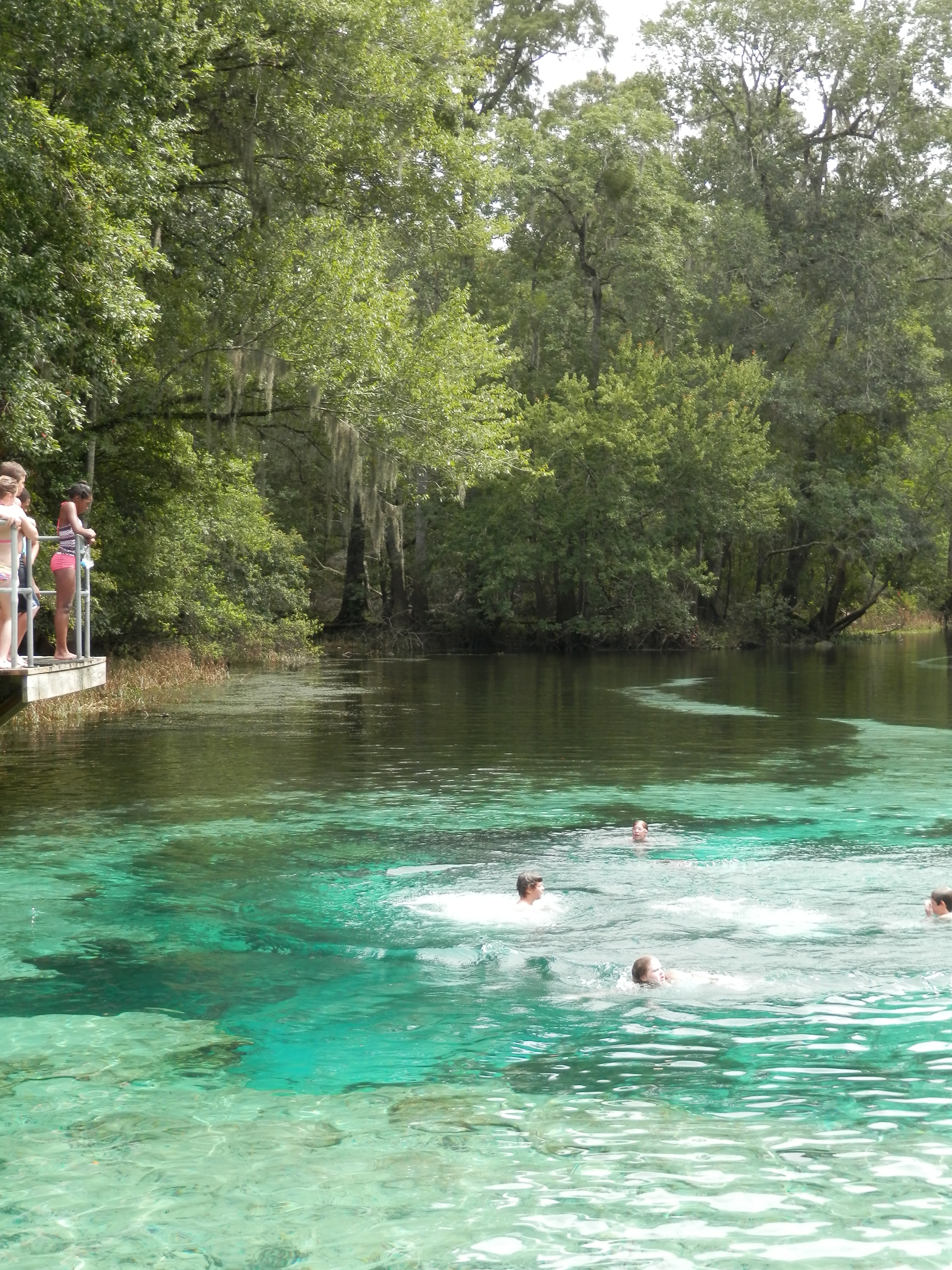
Recently, Gilchrist Blue Springs has come up for sale. This privately owned spring feeds directly into the Santa Fe River which offers up boils like small, secretive treasure chests of light along the banks of the tannin stained river. There are at least three springs on the property, with Blue being the largest. More than a lovely swimming hole on a hot summer day, Blue is a large 2nd magnitude spring. Her waters support the health of the Santa Fe by contributing millions of gallons a day to her flow. The park itself is a thriving family business. The campgrounds are established, as is the concession stand, making for a prime potential State Park location. This purchase would yield 4oo acres of conservation land along the Santa Fe River in direct alliance with the state park system mandate to preserve and protect wild Florida for public recreation. With an initial asking price of $10 million and a standing value of 1.36 million on public record6, the deal would fall well below the state’s budget for conservation land purposes.
Silver Glen, a spring that’s catchment lies solely within the bounds of the Ocala National Forest, stands as an example of how excellent water quality is still within reach7. Land preservation is the key to success. Maintaining Florida lands in a natural state, supporting native vegetation, and purposing the best wild Florida lands for public recreation is a highly effective way to reduce nitrate ridden runoff and promote healthy aquifer recharge. The last gubernatorial election in the Sunshine State put a known anti-environmental, pro-big business governor back in office and voted in Amendment 1, the Florida Water and Land Conservation Initiative. These two actions are contradictory, and the battle between the will of both is playing out across the natural resource playground that is Florida. This piece of legislation was designed to raise funds for land acquisition through the creation of a trust fund supplied by an existing excise tax on documents which next year alone will set aside 700 million dollars6. The purpose of the Land Acquisition Trust Fund is straight forward – acquire land for conservation and preservation. Protecting land in Florida equates to protecting the viability of our economic future. The Floridan aquifer is a giant underground reservoir of provision, and along with the springs that bubble forth from her watery confines, is deserving of human protection.
Sources:
¹”Springs Locations in Florida”. Springs_FDEP_2011. Florida Geographic Data Library Shapefile Inventory. 8 Sept. 2011. Web. http://www.fgdl.org/metadataexplorer/explorer.jsp
²”Florida Springs History.” About Florida Springs. Florida Department of Environmental Protection, 11 Apr. 2014. Web. <http://www.dep.state.fl.us/springs/about.htm>.
³”Florida Passes New York to Become Third Most Populous State, Census Bureau Reports.” United States Census Bureau. 23 Dec. 2014. Web. http://www.census.gov/newsroom/press-releases/2014/cb14-232.html
4”Sleepy Creek Lands consumptive use permit application.” St. Johns River Water Management District. 30 Apr. 2015. Web. http://floridaswater.com/facts/AdenaSpringsRanchCUP.html
5”About Florida State Parks.” Florida Department of Environmental Protection. 31 Mar. 2014. Web. http://www.dep.state.fl.us/parks/
6Curry, Christopher. ”State could buy Blue Springs for state park.” Ocala Star Banner. 11 June 2015. Web. http://www.ocala.com/article/20150611/articles/150619946?p=2&tc=pg&tc=ar
7Florida Springs Task Force. “Florida’s Springs: Strategies for Protection & Restoration.” Florida Springs Task Force. Nov. 2000. Web. http://www.dep.state.fl.us/springs/reports/files/SpringsTaskForceReport.pdf
 Peeling Back the Moon